Proximal and distal femur
The proximal femoral plate is intended for trochanteric fractures. These include simple, trochanterodiaphyseal, multifragmentary pertrochanteric and reverse or transverse intertrochanteric patterns. It is also intended for proximal fractures with an ipsilateral shaft fracture.
Proximal tibia from three sides
Plates are offered for the lateral, medial and posteromedial proximal tibia. The tibial locking plates are shaped to minimise contouring in theatre. All holes except the oblong hole accept locking and cortical screws. Fitted radiolucent aiming devices are designed to place drill guides at a preset angle.
High tibial osteotomy plate
The osteotomy plate carries four locking screws in its head to maintain stability. Its long shaft transmits forces evenly into the tibial shaft. Its tapered, rounded tip eases subcutaneous insertion. Pretensioning allows compression of the lateral hinge. It is used with a dedicated set alongside the Large Bone set, in a medial opening-wedge technique.
Distal tibia, malleolus and pilon
The distal medial and distal anterolateral tibial plates come left and right and are shaped to minimise contouring. All holes except the oblong hole take locking or non-locking cortical screws with small heads. Further plates cover the posterior distal tibia, the medial malleolus (hook plate) and the pilon. For the pilon, complex articular reconstruction is the emphasis.
Fibula and calcaneus
The distal lateral and posterolateral fibular plates are indicated for fractures, osteotomies and nonunions of the distal fibula. Indications cover the metaphyseal and diaphyseal region, especially in osteopenic bone. A further distal fibular plate completes the group.


 PIONEERUpper extremity plates
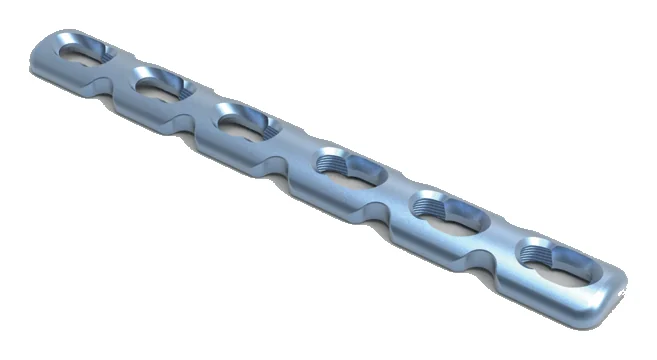 PIONEERPelvic and reconstruction plates
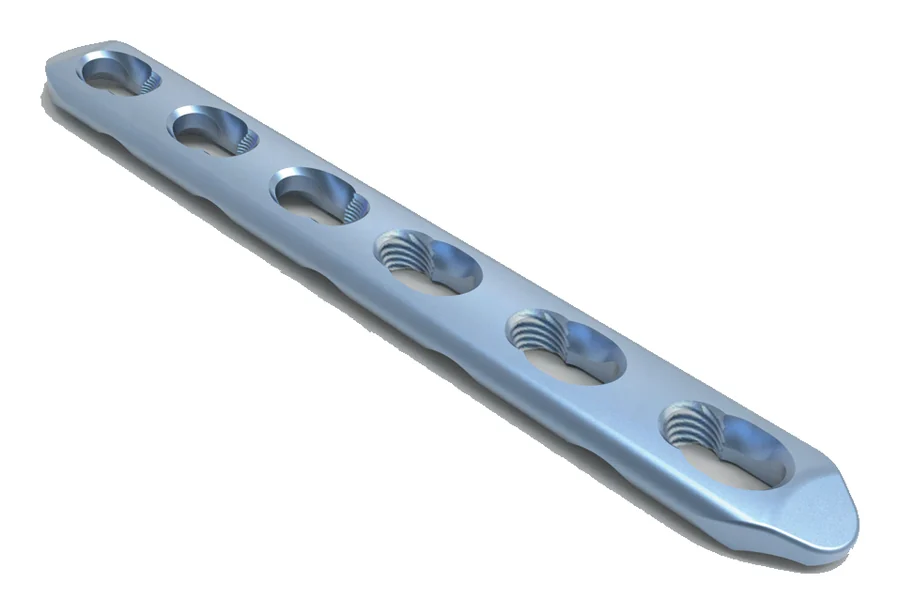 PIONEERStraight and general plates
 HECTORStandard cementless stem (135°)
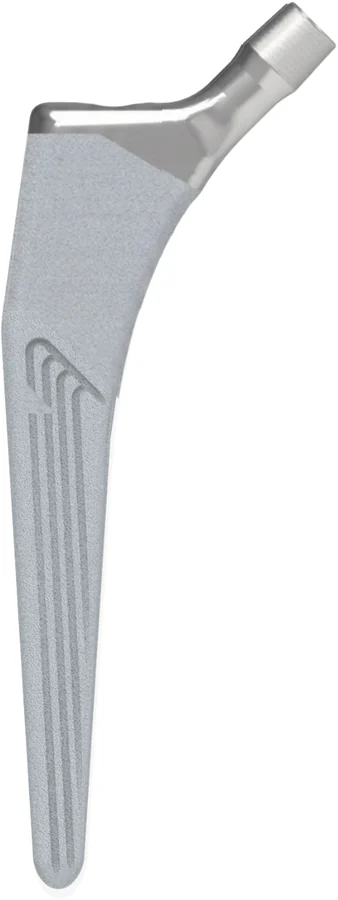 HECTORStandard cemented stem (135°)
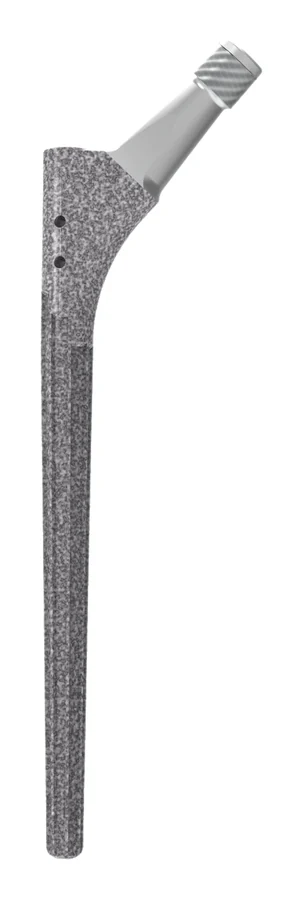 MAYARevision cementless stem (135°)
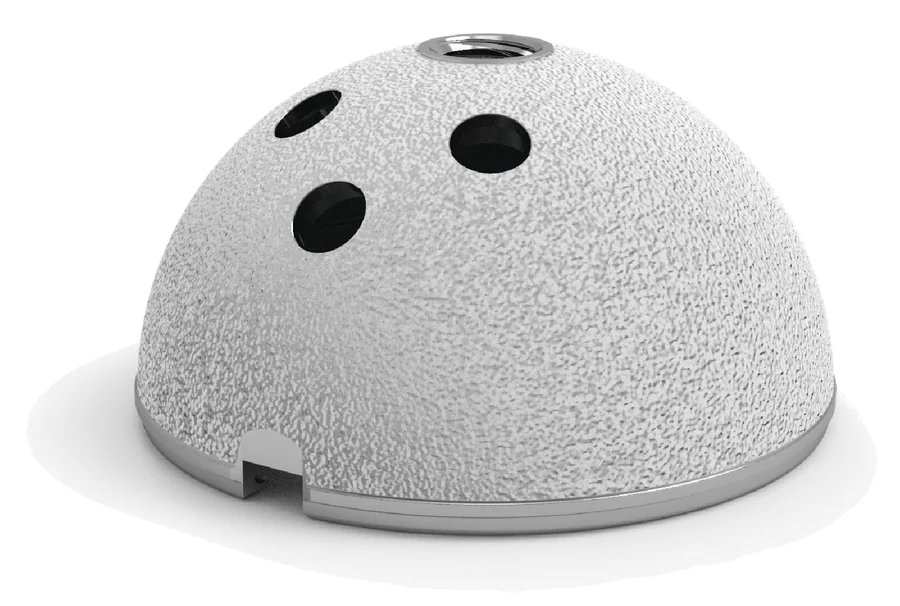 HECTORAcetabular system