Three-hole hemispherical shell
The shell is hemispherical, with three screw holes and a polished inner surface. Its outer surface carries the titanium plasma and HA coating. Pilot holes are drilled through a variable-angle drill guide.

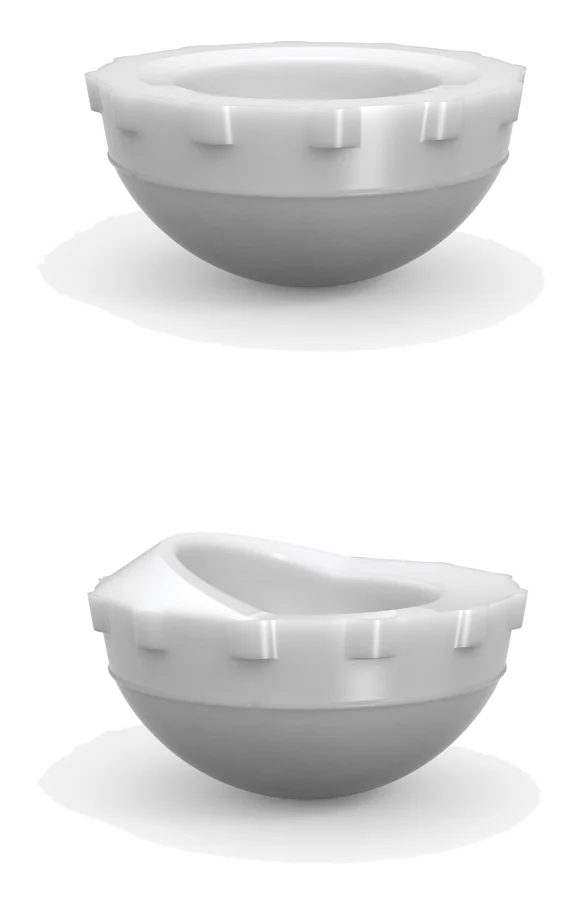
Acetabular cups, liners in 0° and 20° options and acetabular screws.
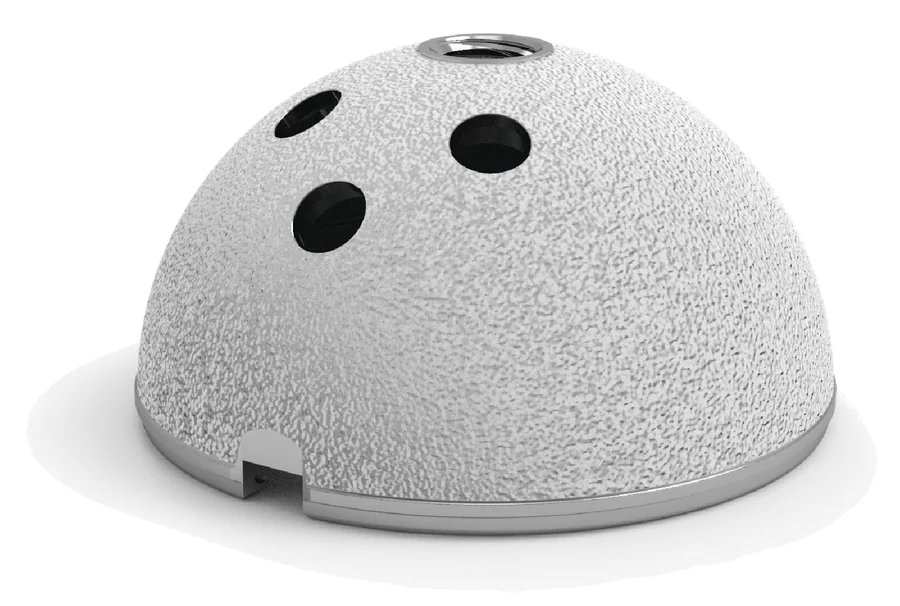
In primary total hip arthroplasty, the acetabular side needs a shell that can be placed as planned. It may need screw fixation, and it needs a liner that stays locked. The HECTOR acetabular system pairs a hemispherical shell with cross-linked polyethylene (XLPE) liners.
The shell is hemispherical, with three screw holes and a polished inner surface. Its outer surface carries the titanium plasma and HA coating. Pilot holes are drilled through a variable-angle drill guide.
The spherical head of the acetabular screw allows angulation of up to 15° in the hole. After drilling, a depth gauge reads the hole, so the length is chosen before the screw is driven.
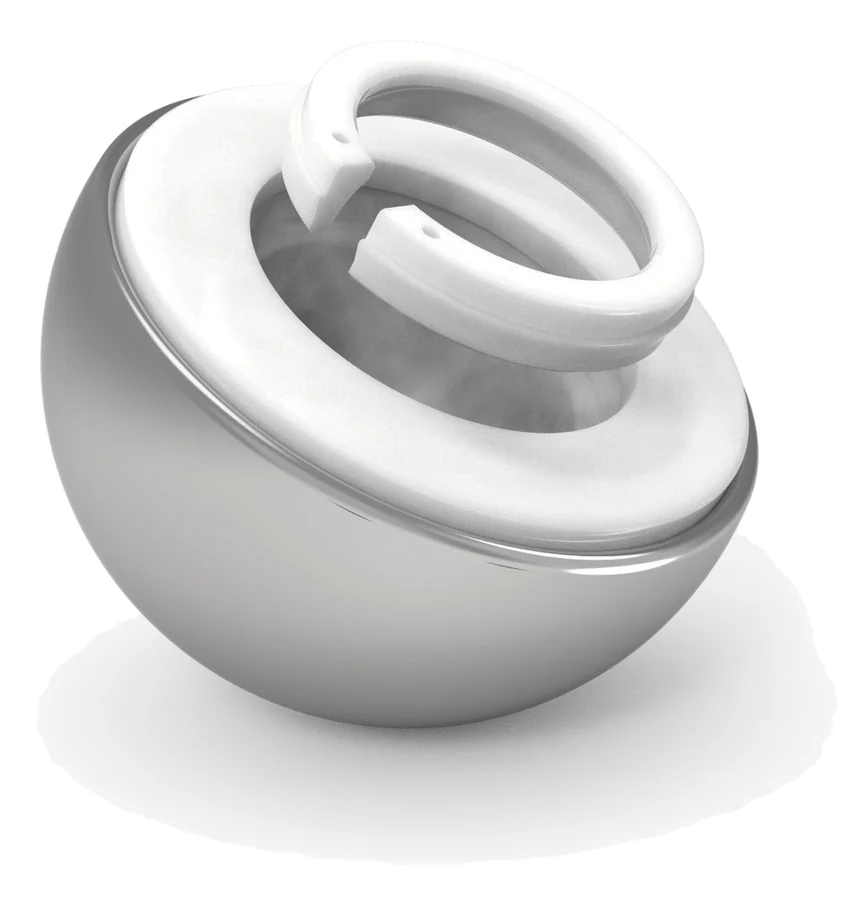
The liner is cross-linked polyethylene with a double locking mechanism. Its ears are intended to stop it rotating in the shell. A liner, once impacted into its shell, should not be reassembled. The locking design still allows a new liner to be fitted to a shell already in place, during surgery or at revision.
The 20° liner has an elevated rim that is placed where the hip tends to dislocate.
Source: Normmed product catalogue.
The product information on this page is intended for healthcare professionals. Please confirm that you are a healthcare professional to continue. If you are a patient, our information for patients explains how implants are chosen and where to find your implant card and instructions for use.
We use necessary local storage. With your permission, Google Analytics helps us understand website use. We do not use advertising cookies.
 HECTORStandard cementless stem (135°)
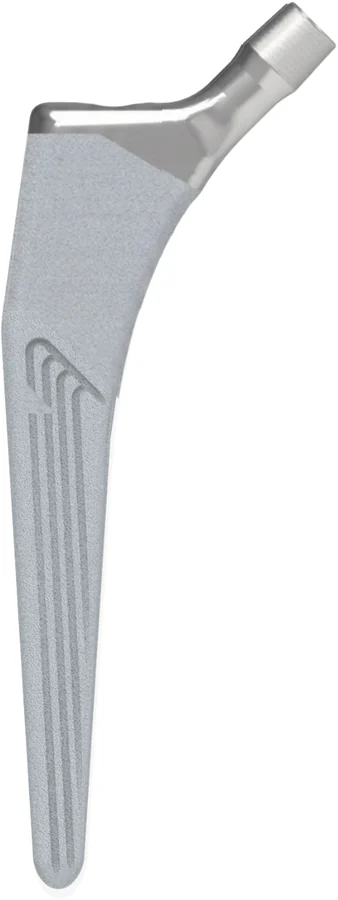 HECTORStandard cemented stem (135°)
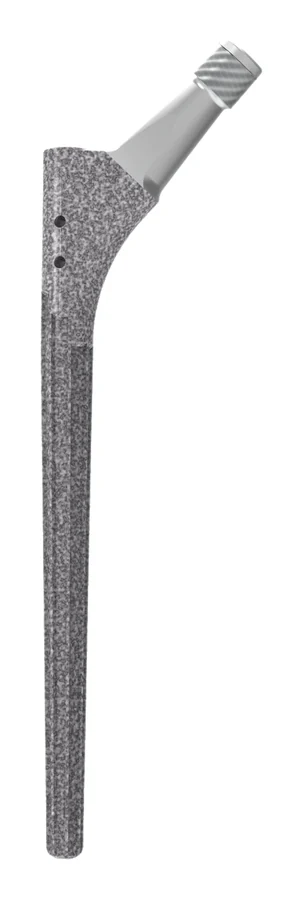 MAYARevision cementless stem (135°)
 HECTORFemoral heads and bipolar heads
 HECTORXLPE acetabular liners
 PIONEERLower extremity plates
 PIONEERPelvic and reconstruction plates
 PIONEERStraight and general plates