Compatible with GORDION
The revision system is fully compatible with the design of the GORDION total knee system. Some instruments, such as the femoral driver and the femoral impactor, are shared by both sets.

Femoral component for revision knee arthroplasty.
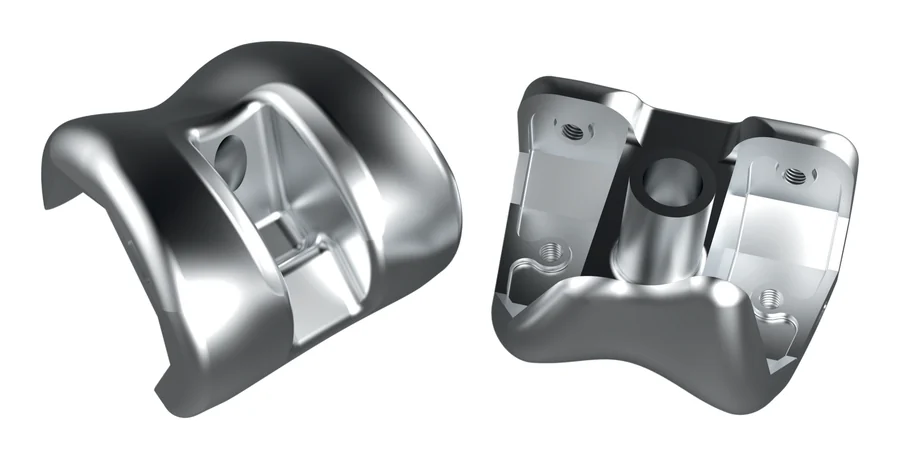
Revision knee arthroplasty starts with removal of the failed components while the remaining bone stock is preserved. The revision PS femoral component is CoCr and cemented. It is offered for left and right knees, and every component can take augments. It addresses extensive bone loss through augments attached to both femur and tibia. Stem extensions and an offset adaptor connect to the component by taper lock.
The revision system is fully compatible with the design of the GORDION total knee system. Some instruments, such as the femoral driver and the femoral impactor, are shared by both sets.
Every size of the revision PS femoral component can take augments. Augment trials snap onto the femoral trial, so the build-up is judged before any implant is assembled.
Stem extensions connect to the femoral component, directly or through an offset adaptor, by taper lock. The stem impactor protects the stem tip and drives the taper lock home. A femoral screw in the intercondylar hole then secures the stem to the component.
As a PS component, it needs an intercondylar box in the femur. The sizing template guides a preliminary box resection. In the offset method, the PS notch punch and the box cutting plate complete it.
Source: Normmed product catalogue.
The product information on this page is intended for healthcare professionals. Please confirm that you are a healthcare professional to continue. If you are a patient, our information for patients explains how implants are chosen and where to find your implant card and instructions for use.
We use necessary local storage. With your permission, Google Analytics helps us understand website use. We do not use advertising cookies.
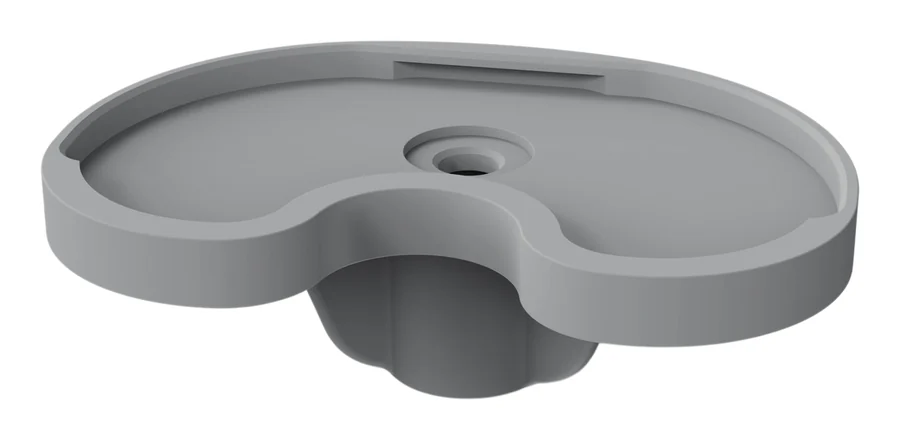 Hip & KneeRevision tibial component and insert
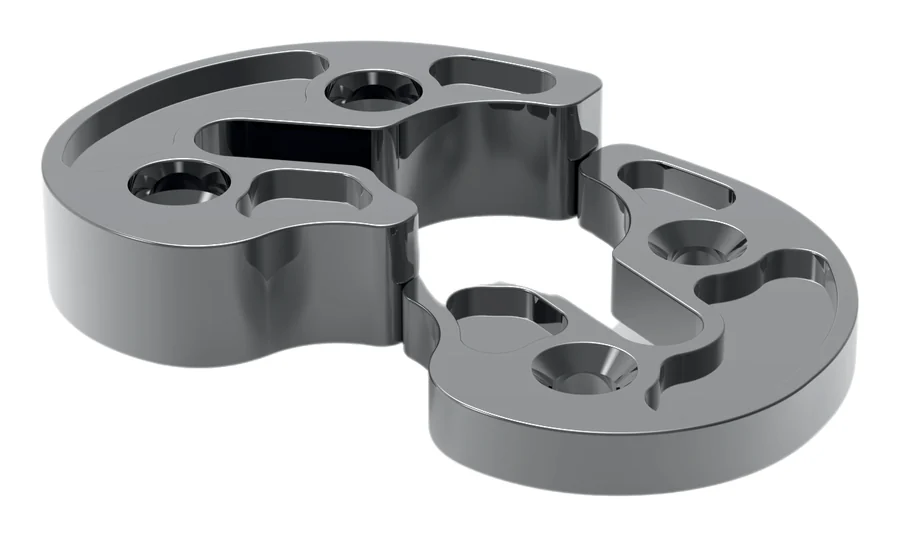 Hip & KneeAugments, stems and offset adaptor
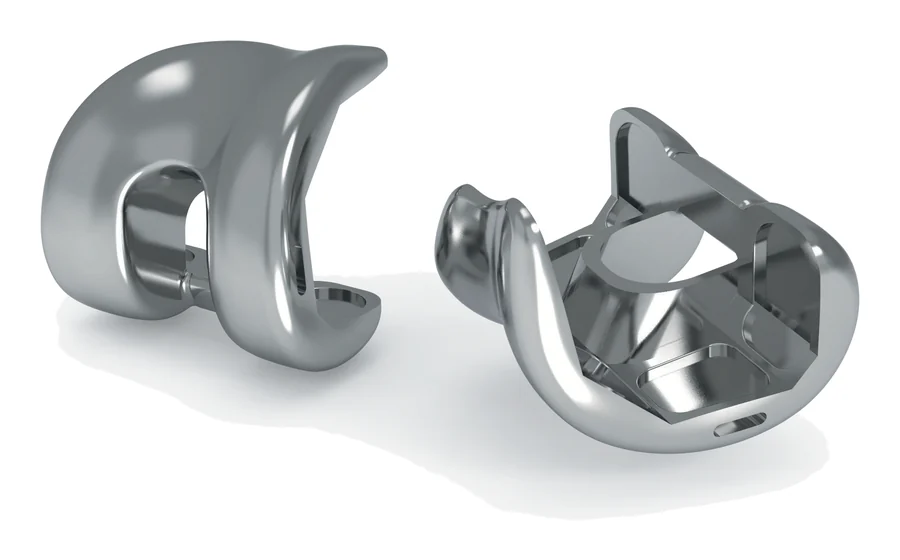 GORDIONPS and CR cemented femoral components
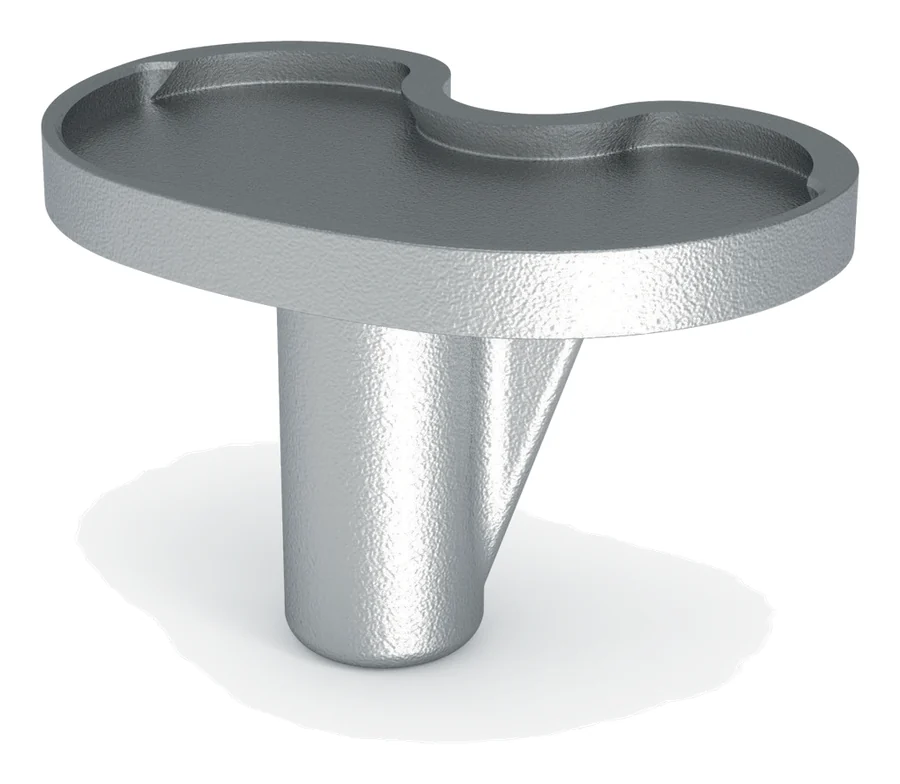 GORDIONFixed cemented tibial component
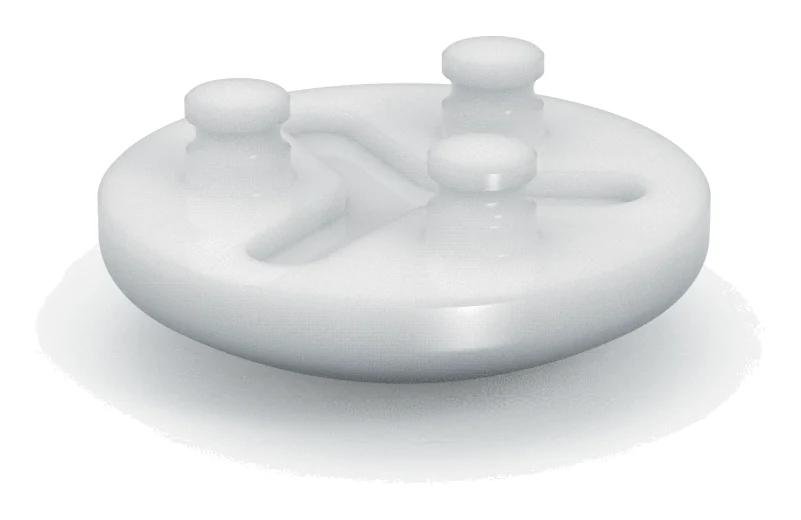 GORDIONStandard patellar component
 PIONEERLower extremity plates